

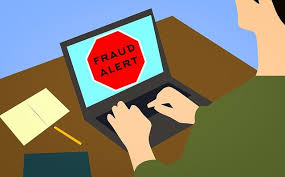
Introduction: Why Online Scams Are Rising So Fast
The internet has become a part of almost everything we do, but with that convenience comes a growing problem: online fake scams. Every year, more people fall victim to fraudulent websites, fake messages, and convincing online tricks. Scammers know how to make things look real, whether it’s a shopping deal that feels too good to be true or a message that appears to come from your bank. What makes these scams dangerous is how quickly they can spread and how professionally they are designed. Understanding how scammers operate is the first important step to staying safe.
Common Types of Online Fake Scams You Should Know
Online scams come in many forms, which is why awareness is extremely important. Some of the most common ones include:

1. Phishing Emails and Messages
These are fake messages pretending to be from trusted companies like banks, delivery services, or government portals. They often ask you to click a link or share personal details.
2. Fake Shopping Websites
Scammers create professional-looking online stores offering unbelievable discounts. Once you pay, either the product never arrives or you receive something completely different.
3. Online Job Fraud
Fake job offers promising high income with very little work. Many ask for registration fees, ID proofs, or bank details.
4. Social Media Scams
This includes fake giveaways, impersonation accounts, romance scams, and investment traps. Since people trust social platforms, scammers use them heavily.
5. OTP and Bank Fraud
Scammers pretend to be customer care representatives asking for OTPs, PINs, or account numbers. Genuine banks will never ask for such details.
Being familiar with these tricks makes it easier to avoid falling for them.
Why People Easily Fall for Online Scams
You may wonder why scams work even though people are becoming more aware. A few reasons include:
- Scammers create websites and messages that look almost identical to real ones.
- People act quickly when they see offers, discounts, or urgent warnings.
- Many victims are not used to verifying websites or checking authenticity.
- Fake emotional stories or emergency messages can make people panic and respond without thinking.
Scammers are patient, skilled, and constantly updating their strategies, which means we must be equally alert.
How to Identify an Online Scam Before It Traps You
Here are some simple red flags that can help you spot a scam quickly:
• Too-good-to-be-true discounts
If something feels unreal, it usually is.
• Poor grammar or strange sentence structure
Professional companies rarely send messages with mistakes.
• Suspicious website links
Fake websites usually have odd spellings or extra characters in their URL.
• Requests for OTP, PIN, or password
Legitimate companies will never ask for this.
• Pressure to act immediately
Scammers create urgency so you don’t take time to think.
Make it a habit to double-check everything before clicking or sharing any detail.
Practical Ways to Protect Yourself from Online Scammers
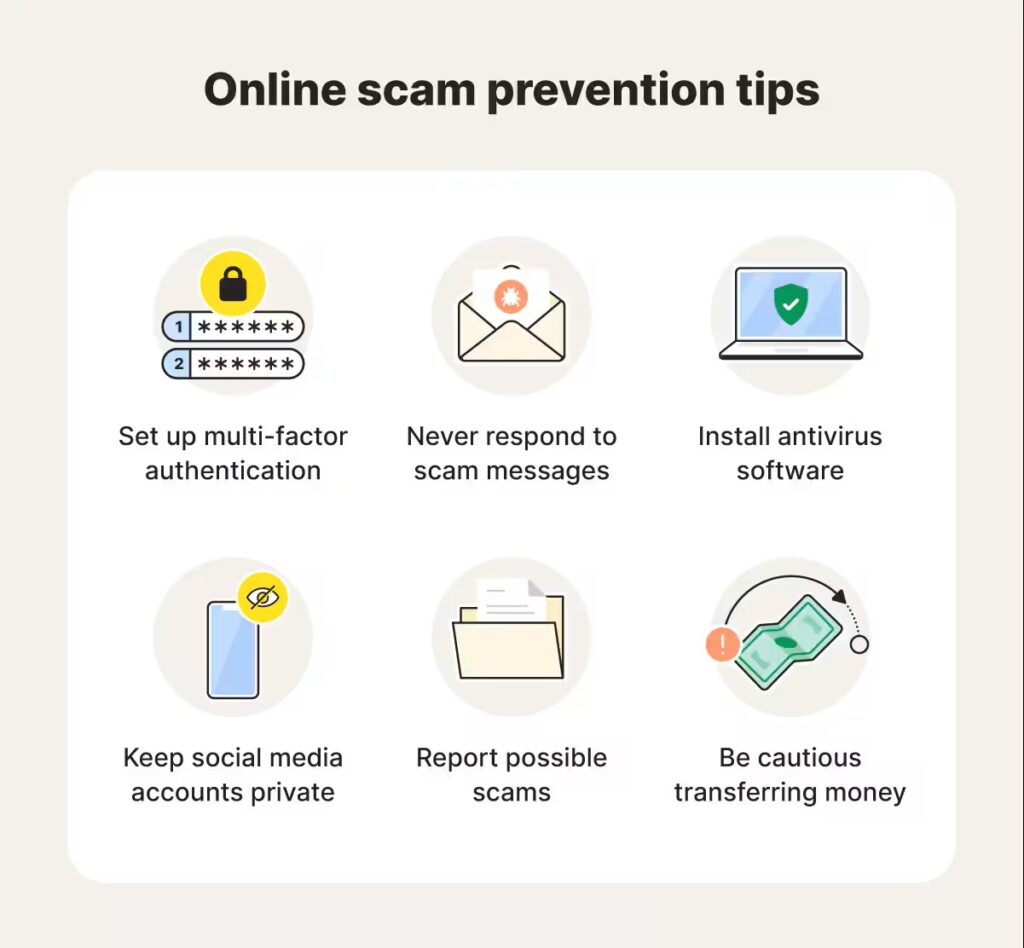
Stopping scams starts with simple daily habits. Here are some straightforward steps everyone can follow:
1. Enable Two-Factor Authentication (2FA)
This adds an extra layer of security to your accounts and makes it harder for scammers to break in.
2. Verify Websites Before Purchase
Look for customer reviews, secure payment options, and correct URLs.
3. Avoid Clicking Unknown Links
Always hover over links to see where they actually lead.
4. Install Trusted Security Tools
Antivirus and anti-phishing tools can warn you before you visit risky pages.
5. Never Share OTP or Password
Even if the caller sounds genuine, do not give out sensitive information.
6. Check Social Media Accounts Carefully
Verify the blue tick, follower count, and history of the page before trusting any offer.
7. Educate Family Members
Children, elders, and people who are not tech-savvy are the easiest targets. Teaching them basic safety steps can prevent major losses.
What to Do If You Get Scammed
If something goes wrong, act immediately:
- Contact your bank and freeze your card or account.
- Report the fraud through the National Cyber Crime Reporting Portal.
- Change your passwords on all platforms.
- Warn others so they don’t fall for the same trick.
Quick action can reduce damage and increase the chance of recovery.
Conclusion: Staying Safe Starts With Staying Alert
Online fake scams are not going away anytime soon, but we can reduce the risks by staying alert and adopting safe habits. The internet is useful, but it requires awareness, a little patience, and careful thinking. With the right knowledge, you can enjoy the digital world without fear.

“This Content Sponsored by SBO Digital Marketing.
Mobile-Based Part-Time Job Opportunity by SBO!
Earn money online by doing simple content publishing and sharing tasks. Here’s how:
- Job Type: Mobile-based part-time work
- Work Involves:
- Content publishing
- Content sharing on social media
- Time Required: As little as 1 hour a day
- Earnings: ₹300 or more daily
- Requirements:
- Active Facebook and Instagram account
- Basic knowledge of using mobile and social media
For more details:
WhatsApp your Name and Qualification to 9994104160
a.Online Part Time Jobs from Home
b.Work from Home Jobs Without Investment
c.Freelance Jobs Online for Students
d.Mobile Based Online Jobs
e.Daily Payment Online Jobs
Keyword & Tag: #OnlinePartTimeJob #WorkFromHome #EarnMoneyOnline #PartTimeJob #jobs #jobalerts #withoutinvestmentjob”